
Wearable tracker is your ultimate companion in achieving health and fitness goals, blending cutting-edge technology with everyday convenience. These innovative devices are designed to monitor your activity, heart rate, and even sleep patterns, ensuring you stay on top of your health. With the evolution of wearable tracking technology, these gadgets have transformed from simple pedometers to sophisticated health monitors that empower users to lead better lives.
As the market continues to grow, understanding the types, benefits, and features of various wearable trackers becomes essential. From fitness bands to smartwatches, each category offers unique functionalities that cater to diverse user needs. By exploring the capabilities of wearable trackers, you unlock a world of insights into your personal health and fitness journey.
Introduction to Wearable Trackers
Wearable trackers have revolutionized the way individuals monitor their health and fitness. These innovative devices, designed to be worn on the body, serve various functions such as tracking physical activity, heart rate, sleep patterns, and even stress levels. The evolution of wearable tracking technology has seen remarkable advancements, from simple pedometers to sophisticated smartwatches equipped with multiple health-monitoring capabilities. In today’s fast-paced world, the significance of wearable trackers has become increasingly apparent as they empower users to take control of their health and fitness journeys.
Types of Wearable Trackers
Wearable trackers can be categorized into several types, each tailored to meet specific user needs. The primary categories include fitness bands, smartwatches, and specialized health monitors.
- Fitness Bands: These are primarily designed for tracking physical activities such as steps taken, calories burned, and heart rate. They often feature long battery life and are lightweight.
- Smartwatches: In addition to fitness tracking, smartwatches offer notifications, apps, and customizable watch faces. They typically have more advanced features, such as GPS and music controls.
- Specialized Health Monitors: These devices focus on particular health metrics, such as continuous glucose monitoring or sleep apnea detection, providing users with in-depth insights into their health.
| Type | Primary Features | Battery Life | Price Range |
|---|---|---|---|
| Fitness Bands | Activity tracking, heart rate monitoring | 5-10 days | $30 – $150 |
| Smartwatches | Notifications, apps, GPS | 1-3 days | $150 – $500 |
| Specialized Monitors | Specific health metrics | Varies | $100 – $300 |
Benefits of Using Wearable Trackers
The regular use of wearable trackers offers a multitude of health benefits. They encourage users to adopt a more active lifestyle by providing real-time feedback on physical activities and health metrics. Moreover, wearable trackers can enhance fitness routines by allowing users to set goals, track progress, and celebrate achievements.
- Improved Health Awareness: Users gain insights into their daily habits, which promotes healthier lifestyle choices.
- Motivation: The ability to track progress encourages users to stay committed to their fitness goals.
- Success Stories: Personal anecdotes illustrate transformative journeys, showcasing weight loss, improved stamina, and better sleep quality attributed to the use of wearable trackers.
Key Features to Look for in Wearable Trackers
When purchasing a wearable tracker, consumers should consider a range of essential features to ensure they select the right device.
- Heart Rate Monitoring: Continuous heart rate tracking provides valuable insights into cardiovascular health.
- GPS Functionality: Ideal for outdoor activities, GPS tracking allows users to map their routes accurately.
- Sleep Tracking: Understanding sleep patterns can aid in improving overall health and wellness.
- Mobile Compatibility: Ensuring the tracker works seamlessly with smartphones and health apps enhances the user experience.
Popular Brands and Models of Wearable Trackers
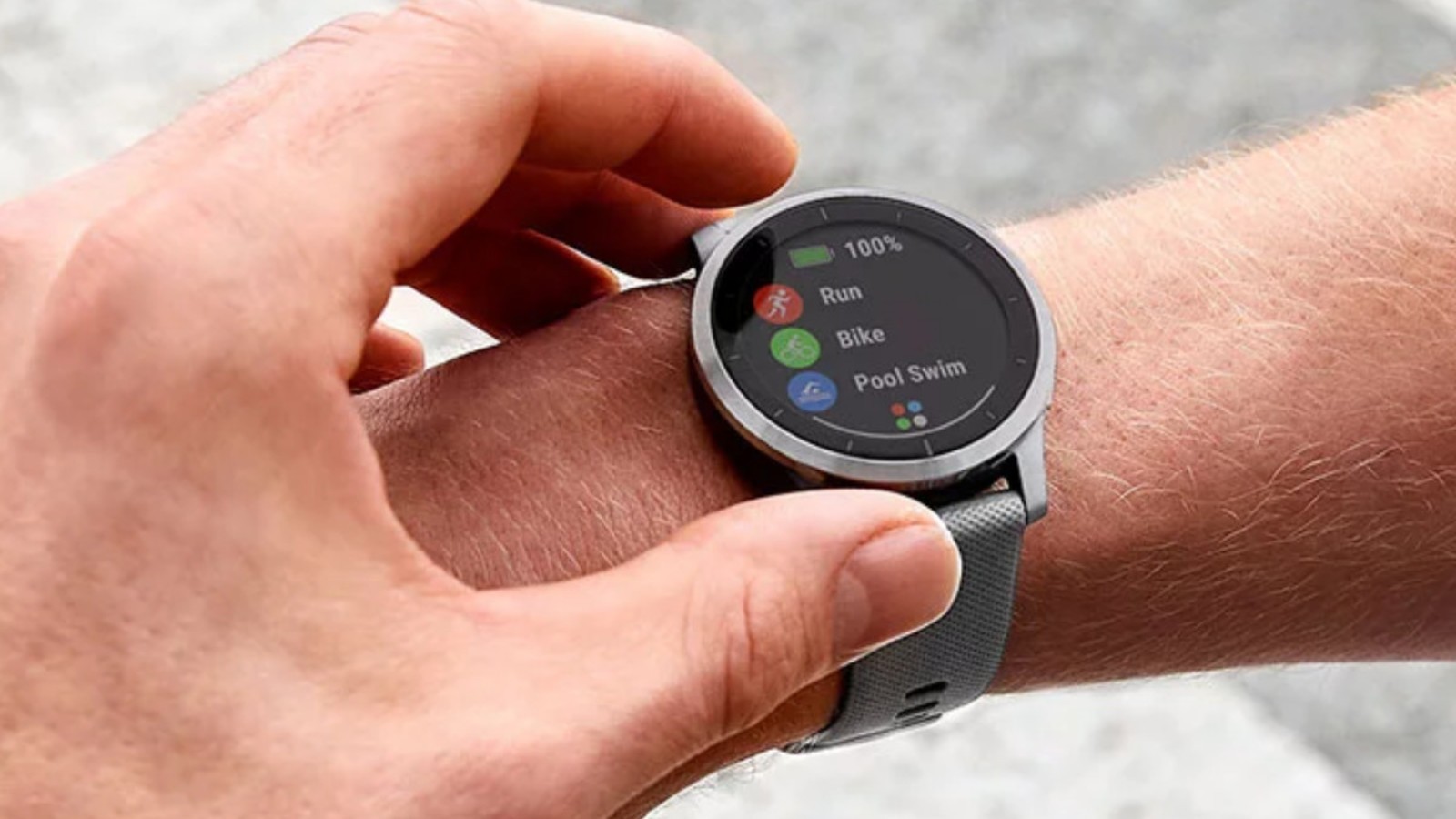
The wearable tracker market is dominated by several leading brands known for their innovation and reliability. Prominent names include Fitbit, Apple, Garmin, and Samsung, each offering a variety of models with unique specifications.
Transform your pet’s bathroom experience with our innovative pet litter box. Designed for convenience and cleanliness, this modern solution keeps odors at bay while providing a comfortable space for your furry friend. Say goodbye to messy clean-ups and hello to a fresh and tidy home!
| Brand | Model | Key Features | Price |
|---|---|---|---|
| Fitbit | Fitbit Charge 5 | Heart rate, GPS, sleep tracking | $179.95 |
| Apple | Apple Watch Series 8 | ECG, blood oxygen, fitness tracking | $399 |
| Garmin | Garmin Forerunner 245 | Advanced metrics, GPS, music storage | $299.99 |
| Samsung | Galaxy Watch 5 | Body composition, sleep tracking | $279.99 |
Challenges and Limitations of Wearable Trackers
Despite their many advantages, wearable trackers come with challenges and limitations that users should be aware of. Privacy concerns related to data sharing and potential inaccuracies in health metrics are common issues.
- Data Privacy: Users must navigate the risks associated with sharing personal health data with third-party applications.
- Accuracy: Not all wearable trackers provide precise measurements, which can lead to misconceptions about health and fitness.
- Mitigation Steps: Users can enhance their experience by regularly calibrating devices and being discerning about data-sharing practices.
Future Trends in Wearable Tracker Technology
The future of wearable tracker technology is poised for exciting advancements. Emerging technologies like artificial intelligence and machine learning are expected to enhance health monitoring capabilities significantly.
Discover the future of technology with leading wearable companies that are redefining how we interact with the world. From fitness tracking to health monitoring, these innovative devices are designed to enhance your daily life. Stay connected, stay active, and embrace the convenience of modern technology!
- Enhanced Health Monitoring: Future devices may incorporate features for monitoring blood pressure and glucose levels non-invasively.
- Smart Integration: Integration with smart home devices could create a seamless user experience, allowing for automated health and wellness management.
- Data-Driven Insights: Predictive analytics may provide users with customized health advice based on their data trends.
Tips for Maximizing the Use of Wearable Trackers
To optimize the experience with wearable trackers, users should adopt practical strategies and best practices. Setting achievable goals and tracking progress effectively are crucial for maximizing the benefits.
Step into comfort with our revolutionary therapy footwear. Engineered to support your feet and alleviate pain, these stylish shoes combine fashion with function. Experience the difference in every step and embrace a healthier, happier lifestyle!
- Set Realistic Goals: Establish achievable health and fitness targets to maintain motivation.
- Track Progress: Regularly review your data to assess your performance and make necessary adjustments.
- Device Maintenance: Proper care of wearable trackers, such as regular charging and cleaning, ensures longevity and performance.
Top FAQs
What is a wearable tracker?
A wearable tracker is a device that monitors health metrics such as activity levels, heart rate, and sleep patterns, helping users manage their fitness goals.
How do I choose the right wearable tracker?
Consider features like heart rate monitoring, GPS, compatibility with mobile devices, and battery life to find a tracker that suits your needs.
Can wearable trackers help with weight loss?
Yes, wearable trackers can motivate users by providing insights into their activity levels and encouraging them to set and achieve fitness goals.
Are wearable trackers accurate?
While most wearable trackers provide fairly accurate data, the accuracy can vary depending on the device and the specific metrics being measured.
How often should I wear my tracker?
For optimal benefits, it’s recommended to wear your tracker consistently throughout the day, including during workouts and sleep.