
Wearable cardiac monitor is transforming how we manage and understand our heart health by providing real-time data and insights right at our fingertips. These innovative devices are equipped with advanced technology that allows for continuous monitoring of heart activity, ensuring that potential issues are caught early. From smartwatches to specialized ECG monitors, the market is ripe with options that cater to different needs, making heart health management accessible and proactive.
In a world where health is a priority, wearable cardiac monitors stand out by offering users the ability to track vital statistics effortlessly. With various models designed for everyday wear, these devices not only help in diagnosing conditions but also empower patients to take charge of their health journey.
Experience elegance and utility with the lv gaston wearable wallet , a perfect companion for those who appreciate style on the go. This innovative wallet allows you to carry your essentials effortlessly. Pair it with our swimming footwear for a complete look that’s ready for any adventure. And don’t forget, keeping your devices in top shape is easy with our reliable phone cleaning and repair services, ensuring you stay connected wherever you are.
Overview of Wearable Cardiac Monitors
Wearable cardiac monitors are revolutionizing the way individuals manage their heart health. These innovative devices serve a fundamental purpose: to continuously track and record heart activity, providing valuable insights into cardiovascular health. The technology utilized in these monitors typically involves advanced sensors and algorithms that analyze heart rate, rhythm, and other vital indicators.Common types of wearable cardiac monitors available in the market include smartwatches with heart monitoring capabilities, chest strap monitors, and specialized fitness trackers designed specifically for cardiac health.
These devices not only facilitate real-time monitoring but also empower users to take proactive steps in managing their heart conditions.
Revive your device with our expert phone cleaning and repair services! Don’t let dirt and damage hold you back; we ensure your phone operates like new. After you’ve taken care of your tech, step into style with our latest collection of swimming footwear , designed for comfort and performance. And for the ultimate in chic convenience, explore the sleek lv gaston wearable wallet , perfect for a day by the pool or a night out.
Benefits of Wearable Cardiac Monitors
The advantages of using wearable cardiac monitors are numerous. Patients benefit from continuous heart rate tracking, early detection of irregularities, and personalized health insights. Studies have shown that the use of these devices can lead to significant health improvements, including reductions in hospital readmissions and better management of chronic heart conditions.Specific conditions that can be monitored using these devices include:
- Atrial Fibrillation
- Heart Rate Variability
- Hypertension
- Bradycardia
- Tachycardia
- Sleep Apnea
How Wearable Cardiac Monitors Work
Wearable cardiac monitors collect data through sophisticated sensors that detect heart activity. These sensors measure parameters such as heart rate, rhythm, and even blood oxygen levels. The step-by-step process of data transmission to healthcare providers typically involves:
- Data collection by sensors in real-time.
- Transmission of collected data to a paired smartphone application.
- Data analysis by the app for insights and trends.
- Secure sharing of relevant data with healthcare providers for further evaluation.
Applications in Healthcare
Wearable cardiac monitors are increasingly integrated into telemedicine, allowing for remote patient monitoring and timely interventions. Case studies demonstrate their effectiveness in improving patient outcomes, such as the successful management of atrial fibrillation and heart failure.Compared to traditional cardiac monitoring methods, wearable monitors offer increased convenience and accessibility. They enable continuous monitoring outside clinical settings, helping to bridge gaps in patient care.
Make a splash with our stylish swimming footwear , engineered for both comfort and durability. Whether you’re hitting the beach or the pool, our selection keeps your feet protected and fashionable. And while you’re enjoying your day, don’t forget to keep your devices pristine with our phone cleaning and repair options, ensuring you stay connected. Plus, combine style and functionality with the innovative lv gaston wearable wallet that elevates your everyday essentials.
Challenges and Limitations
Despite their benefits, users of wearable cardiac monitors face several challenges. Common issues include device comfort, battery life, and occasional inaccuracies in data collection. Potential limitations in the accuracy of data can arise from environmental factors, user error, or device malfunctions. Privacy concerns regarding the data collected by these devices also pose significant challenges, necessitating robust data protection measures.
Future Trends in Wearable Cardiac Monitoring
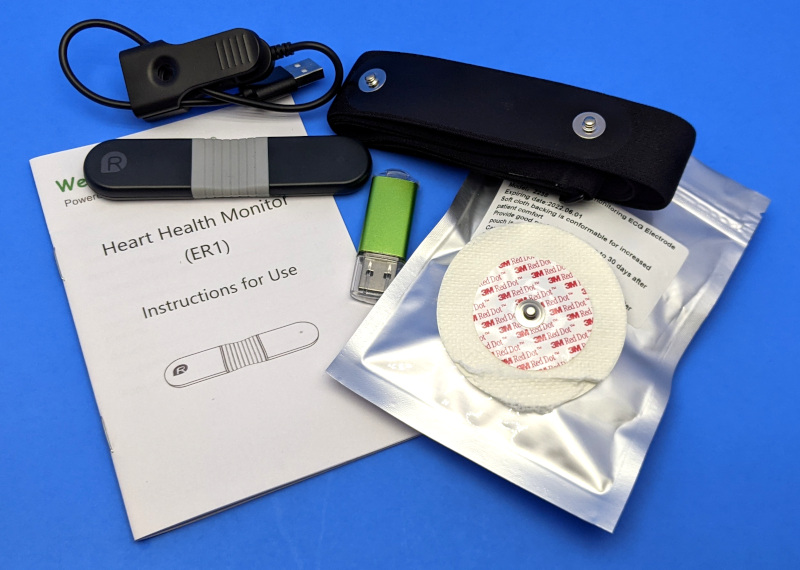
The future of wearable cardiac monitor technology looks promising, with innovations such as improved sensor accuracy and the integration of artificial intelligence. AI has the potential to enhance monitoring capabilities by analyzing vast amounts of data for predictive insights.Predictions indicate a substantial increase in the adoption rates of wearable cardiac monitors in clinical practices, driven by growing consumer awareness and advancements in technology.
Patient Education and Engagement, Wearable cardiac monitor
Educating patients on the use of wearable cardiac monitors is crucial for maximizing their benefits. Guidelines should emphasize the importance of consistent monitoring and data interpretation.Engagement strategies can include personalized coaching and the use of interactive apps that encourage patients to take an active role in managing their heart health. A checklist of key points to cover during patient consultations should include:
- How to properly wear and manage the device
- Understanding data readings
- Recognizing signs of abnormal heart activity
- Addressing privacy concerns
- Importance of regular follow-ups with healthcare providers
Regulatory and Compliance Issues
The regulatory landscape surrounding wearable cardiac monitors is evolving. Key organizations, such as the FDA, play a vital role in the approval process of these devices, ensuring they meet safety and efficacy standards.Compliance is essential in the development and use of wearable cardiac monitors, as it assures users and healthcare providers of the reliability and integrity of the data collected.
Market Trends and Consumer Insights
The market for wearable cardiac monitors is experiencing significant growth, driven by increasing health consciousness and advancements in technology. Consumer preferences lean towards devices that offer user-friendly features, accurate monitoring, and seamless integration with other health applications.Market research indicates that the demographic of wearable cardiac monitor users includes a wide range of age groups, with a notable presence among health-conscious individuals and those with pre-existing heart conditions.
Integration with Other Health Technologies
Wearable cardiac monitors can effectively work alongside other health tracking devices, creating a comprehensive health monitoring ecosystem. The benefits of a multi-device approach include enhanced data accuracy and a more holistic view of overall health.Successful integrations with apps or platforms for health data analysis exemplify how combining technologies can lead to better health outcomes. For instance, integration with fitness trackers allows users to correlate heart data with physical activity levels, providing deeper insights into their cardiovascular health.
FAQ Overview: Wearable Cardiac Monitor
What is a wearable cardiac monitor?
A wearable cardiac monitor is a device that tracks heart activity in real-time, providing users with valuable health data and insights.
How accurate are wearable cardiac monitors?
While wearable cardiac monitors are generally reliable, their accuracy can vary based on the device and its usage; they are best used for preliminary monitoring rather than definitive diagnoses.
Can wearable cardiac monitors detect arrhythmias?
Yes, many wearable cardiac monitors are designed to detect arrhythmias and alert users about irregular heartbeats.
Are wearable cardiac monitors suitable for everyone?
While many people can benefit from them, those with specific medical conditions should consult their healthcare provider before using a wearable cardiac monitor.
How do data privacy issues affect wearable cardiac monitors?
Data privacy is a concern as wearable cardiac monitors collect sensitive health information; users should ensure their devices comply with regulations and have robust data protection measures.