
Ultrasonic surgical instrument cleaner is revolutionizing the way medical professionals maintain instrument hygiene. Utilizing advanced ultrasonic cleaning technology, these devices employ high-frequency sound waves to create microscopic bubbles that effectively dislodge contaminants, ensuring a level of cleanliness that manual methods simply cannot achieve. With a variety of applications across numerous medical fields, ultrasonic cleaners are becoming essential tools in surgical environments.
By harnessing the power of sound waves, ultrasonic surgical instrument cleaners not only enhance the cleaning process but also save valuable time and resources. Equipped with components designed for efficiency and effectiveness, these devices are paving the way for safer surgical procedures and improved patient outcomes. Discover how they are making waves in the medical industry.
Overview of Ultrasonic Surgical Instrument Cleaners
Ultrasonic surgical instrument cleaners employ cutting-edge technology to ensure the highest standards of hygiene and cleanliness in medical instruments. By utilizing high-frequency sound waves, these devices create microscopic bubbles in a cleaning solution, leading to exceptional cleaning capabilities that surpass traditional methods.The basic functionality of ultrasonic cleaning technology revolves around cavitation, where the rapid formation and collapse of bubbles dislodge contaminants from surfaces.
The components of an ultrasonic surgical instrument cleaner typically include a tank, ultrasonic transducers, a heating element, and a filtration system. The tank holds the cleaning solution, while the transducers generate the sound waves. The heating element can enhance the cleaning process, and the filtration system removes debris, ensuring that the solution remains effective.The advantages of ultrasonic cleaning in surgical environments are manifold.
This method is not only efficient in removing organic and inorganic matter but also minimizes the risk of damage to delicate instruments compared to manual cleaning. Additionally, ultrasonic cleaners can process multiple instruments simultaneously, saving valuable time for medical staff.
Applications in Medical Settings
Ultrasonic surgical instrument cleaners are utilized across various medical fields, providing high standards of cleanliness for surgical tools. Key applications include:
- Orthopedics: Cleaning complex instruments such as surgical saws and bone drills.
- Dentistry: Ensuring hygiene in dental handpieces and scalers.
- Ophthalmology: Preparing delicate surgical instruments for eye surgeries.
- General Surgery: Cleaning a wide range of surgical tools before sterilization.
Examples of surgical instruments that benefit from ultrasonic cleaning include forceps, scalpels, and endoscopes. In several case studies, hospitals have reported significant improvements in instrument hygiene levels, leading to enhanced patient safety outcomes. For instance, one notable case involved a dental clinic that adopted ultrasonic cleaning, resulting in a marked decrease in postoperative infections.
Operating Procedures and Best Practices, Ultrasonic surgical instrument cleaner
To ensure effective use of an ultrasonic surgical instrument cleaner, follow these step-by-step procedures:
- Prepare the cleaning solution according to the manufacturer’s instructions.
- Load instruments into the tank without overcrowding.
- Select the appropriate cleaning cycle based on the type of contamination.
- Start the cleaning process and monitor for completion.
- Rinse instruments thoroughly with distilled water.
- Dry instruments using a clean, lint-free cloth.
Safety precautions when operating ultrasonic cleaners are vital. Always wear protective gloves and goggles to prevent exposure to cleaning agents and contaminants. Additionally, ensure the device is placed on a stable surface to avoid accidents.To maintain optimal performance of ultrasonic cleaners, adhere to the following maintenance tasks:
- Regularly replace the cleaning solution and filter.
- Inspect transducers for damage or wear.
- Clean the tank interior to prevent residue buildup.
- Periodically calibrate the device according to the manufacturer’s guidelines.
Comparison with Traditional Cleaning Methods
Ultrasonic cleaning offers a significant advantage over manual cleaning techniques in terms of efficiency. Unlike manual methods that are labor-intensive and time-consuming, ultrasonic cleaners can achieve superior cleaning in a fraction of the time.In comparing cleaning effectiveness, ultrasonic cleaners provide a more thorough clean than autoclaves, which primarily focus on sterilization rather than removing contaminants. Data indicates that ultrasonic cleaners can reduce cleaning time by up to 75% compared to traditional manual cleaning methods, allowing staff to allocate time to other critical tasks.
Technological Advancements in Ultrasonic Cleaning
Emerging technologies in ultrasonic cleaning systems are revolutionizing the industry. Innovations include:
- Integration of smart technology for enhanced monitoring and control.
- Advanced frequency modulation for tailored cleaning applications.
- Eco-friendly cleaning solutions that reduce environmental impact.
Modern ultrasonic cleaners now feature user-friendly interfaces, improved energy efficiency, and customizable settings. A comparison table of features differentiating modern ultrasonic cleaners from older models may look like this:
| Feature | Modern Ultrasonic Cleaners | Older Models |
|---|---|---|
| Smart Technology Integration | Yes | No |
| Frequency Modulation | Variable | Fixed |
| Energy Efficiency | High | Standard |
Regulatory Compliance and Standards
The use of ultrasonic surgical instrument cleaners is governed by several regulatory standards, including those established by the FDA and ISO. Compliance with these standards is crucial for maintaining instrument sterilization and ensuring patient safety.Documenting cleaning processes is essential to meet regulatory requirements. Facilities must maintain accurate records of cleaning cycles, maintenance performed, and solutions used. This documentation not only supports compliance but also enhances traceability.
Troubleshooting Common Issues
Common problems encountered with ultrasonic surgical instrument cleaners can include:
- Poor cleaning results due to insufficient solution concentration.
- Noisy operation indicating potential transducer issues.
- Overheating caused by prolonged use without breaks.
Solutions for each of these issues are as follows:
| Issue | Potential Causes | Solutions |
|---|---|---|
| Poor cleaning results | Incorrect solution concentration | Adjust cleaning solution according to manufacturer guidelines |
| Noisy operation | Damaged transducers | Inspect and replace transducers as necessary |
| Overheating | Extended operation time | Implement cooling breaks during usage |
Future Trends in Ultrasonic Cleaning Technology
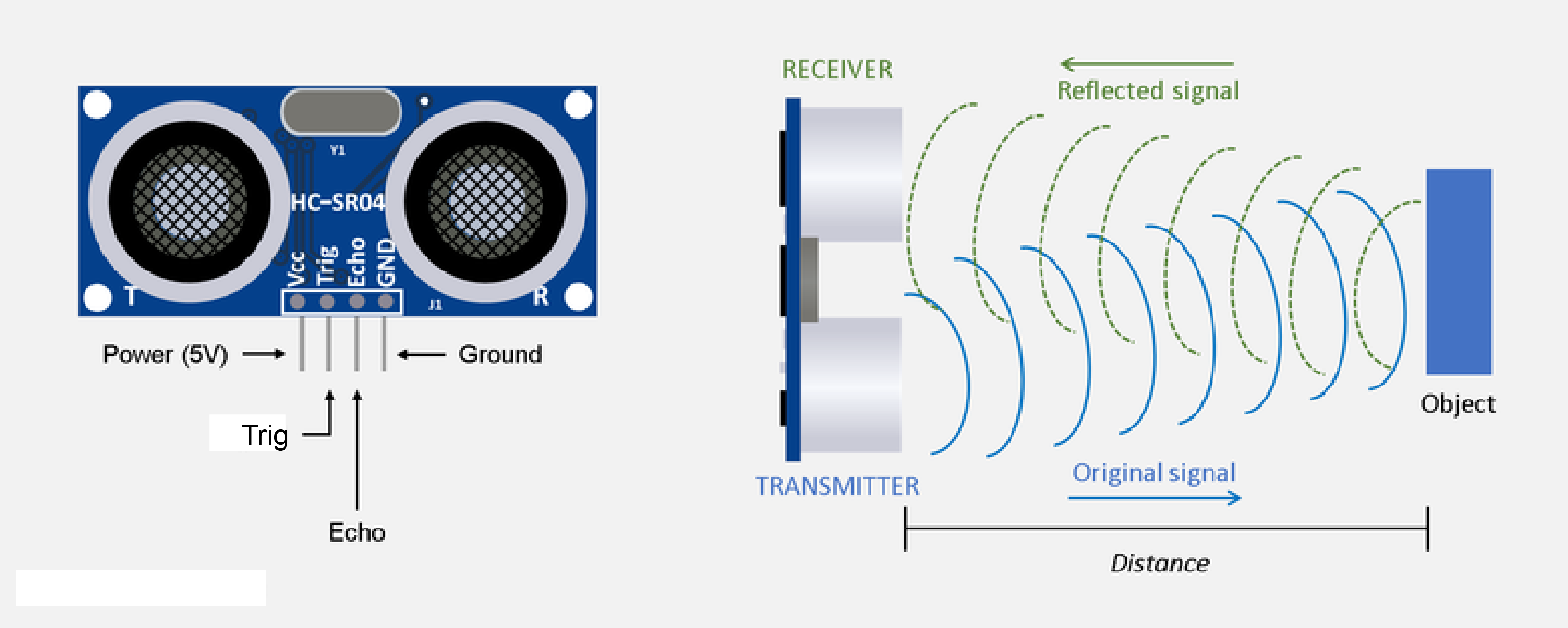
Anticipated trends in ultrasonic cleaning technology for surgical instruments include advancements in efficiency and automation. Developments in ultrasound technology are expected to enhance cleaning capabilities, leading to improved outcomes in instrument hygiene.Moreover, the market for ultrasonic surgical instrument cleaners is projected to grow significantly due to increasing awareness of infection control and regulatory requirements across healthcare facilities. These innovations will further solidify the role of ultrasonic cleaning in modern surgical practices.
Clarifying Questions: Ultrasonic Surgical Instrument Cleaner
What types of surgical instruments can be cleaned with ultrasonic cleaners?
Step into the boardroom with confidence by choosing our premium mens office footwear. Crafted for professionalism and comfort, these shoes are perfect for long workdays. Elevate your wardrobe and make a lasting impression with footwear that combines elegance with functionality, ensuring you’re always ready for your next meeting.
Ultrasonic cleaners can be used for a wide range of surgical instruments, including scissors, forceps, and scalpels, among others.
How long does the cleaning process take?
If you’re looking for durable and stylish options, explore our range of rowers footwear. Ideal for both water sports and casual wear, these shoes provide exceptional grip and support. Whether you’re hitting the water or enjoying a day out, these versatile footwear choices are designed to keep you feeling great and looking sharp.
The cleaning duration typically ranges from 5 to 15 minutes, depending on the level of contamination and the type of instruments being cleaned.
Are ultrasonic cleaners safe for all materials?
While most stainless steel instruments are safe to clean, delicate items such as certain plastics or fragile instruments may require special consideration.
Do ultrasonic cleaners require special maintenance?
Discover the ultimate comfort with archies footwear nearby , designed to support your every step. Whether you’re strolling through the park or heading to a casual outing, these shoes offer a perfect blend of style and practicality. Pair them with your favorite outfits and experience the difference that quality footwear can make in your daily routine.
Yes, regular maintenance such as cleaning the tank, checking the transducers, and ensuring the fluid levels are essential for optimal performance.
Can ultrasonic cleaners effectively remove blood and tissue residues?
Yes, ultrasonic cleaners are highly effective at removing blood, tissue, and other organic residues, making them ideal for surgical instrument hygiene.