
Lathe parting tools are essential components in the world of metalworking, designed to deliver precision and efficiency in machining operations. These tools are purposefully crafted to cut through materials seamlessly, making them a staple for both hobbyists and professional machinists alike. With a variety of types available, ranging from blade styles to innovative insert designs, lathe parting tools are manufactured from advanced materials that enhance their performance, ensuring smooth, clean cuts every time.
Understanding the significance of lathe parting tools is crucial, as they provide unmatched advantages over traditional cutting methods. Their specific applications span a wide range of industries, showcasing their versatility and importance in achieving high-quality results.
Overview of Lathe Parting Tools
Lathe parting tools are essential cutting tools used in metalworking to create grooves, cut off parts from a workpiece, and perform other precision operations. These tools are designed to effectively remove material while maintaining accuracy and surface finish. In the market, various types of lathe parting tools are available, catering to different machining needs and applications.The types of lathe parting tools include traditional blade-style tools, which are designed for general use, and insert-style tools that utilize replaceable cutting inserts for enhanced performance and versatility.
The materials used to manufacture lathe parting tools, such as high-speed steel (HSS), carbide, and cobalt, significantly influence their durability, cutting efficiency, and resistance to wear and tear.
Importance of Lathe Parting Tools
The significance of using lathe parting tools in machining processes cannot be overstated. These tools provide precise cutting capabilities that are vital in achieving the desired dimensions and surface quality of the workpiece. Compared to other cutting methods, parting tools offer several advantages, including efficiency in material removal and the ability to create intricate shapes and designs.Applications where lathe parting tools are essential include the automotive industry for producing components like axles and shafts, the aerospace sector for manufacturing intricate parts, and the production of various small precision components in general machining.
Their ability to operate at high speeds while maintaining accuracy makes them indispensable in modern metalworking.
Looking for robust storage solutions? The utility body tool box is your answer! Designed for organization and accessibility, it securely holds all your tools in one place. Perfect for professionals on the go, this toolbox ensures that you have everything you need at your fingertips. Invest in your work efficiency and keep your tools perfectly arranged!
Types of Lathe Parting Tools
Lathe parting tools come in various designs, each tailored to specific cutting needs. The main types include:
- Blade Style Tools: These tools feature a solid blade design and are typically used for general parting tasks. They are easy to handle but may require frequent sharpening.
- Insert Style Tools: These utilize replaceable inserts, offering flexibility and longer operational life. They can be more expensive but provide superior performance and reduced downtime.
To illustrate the differences in use cases for each type, the following comparative table summarizes their pros and cons:
| Type | Pros | Cons |
|---|---|---|
| Blade Style | Cost-effective, easy to sharpen | Shorter lifespan, more frequent maintenance |
| Insert Style | Longer life, consistent cutting performance | Higher initial cost, requires specific inserts |
How to Use Lathe Parting Tools Effectively
To utilize lathe parting tools effectively, it is crucial to follow a systematic approach. Here is a step-by-step guide for setting up a lathe parting tool for operation:
- Secure the workpiece onto the lathe, ensuring it is properly aligned.
- Install the parting tool in the tool holder, checking that it is tightly clamped.
- Adjust the cutting depth based on the material and desired outcome.
- Set the appropriate feed rate and spindle speed for optimal cutting.
- Begin operation while maintaining a steady hand and observing safety protocols.
Best practices for achieving clean cuts include maintaining the right tool alignment and adjusting the feed rate to prevent tool chatter. Regularly checking tool wear and ensuring proper lubrication will also enhance cutting performance.
Safety Precautions When Using Lathe Parting Tools
Safety is paramount when operating lathe parting tools. Some critical safety measures include:
- Always wear appropriate personal protective equipment (PPE) such as safety goggles, gloves, and hearing protection.
- Ensure that the lathe is properly maintained and that all safety guards are in place.
- Keep hands and other body parts clear of the cutting area while the machine is in operation.
Before using lathe parting tools, review the following checklist of safety protocols:
Inspect the tool for damage or wear.
Confirm that the workpiece is secured properly.
Transform your pet care routine with the best pet tools available! From grooming essentials to playtime gadgets, these tools ensure your furry friends are happy and healthy. Elevate your experience with quality products designed to enhance the bond between you and your pet. Discover why pet owners trust only the best tools for their beloved companions.
Ensure that all safety features are functional.
Troubleshooting Common Issues with Lathe Parting Tools
Common problems encountered when using lathe parting tools include tool wear, breakage, and poor surface finish. Addressing these issues requires understanding their causes and implementing effective solutions. Methods for diagnosing issues related to tool wear involve checking the cutting edges for signs of chipping or dullness. Regularly observing the surface finish of the workpiece can also signal potential problems. Examples of troubleshooting scenarios include:
- If the tool is breaking frequently, check the setup for alignment issues or excessive feed rates.
- For poor surface finish, consider adjusting the cutting speed and ensuring that the tool is sharp.
Innovations in Lathe Parting Tool Technology
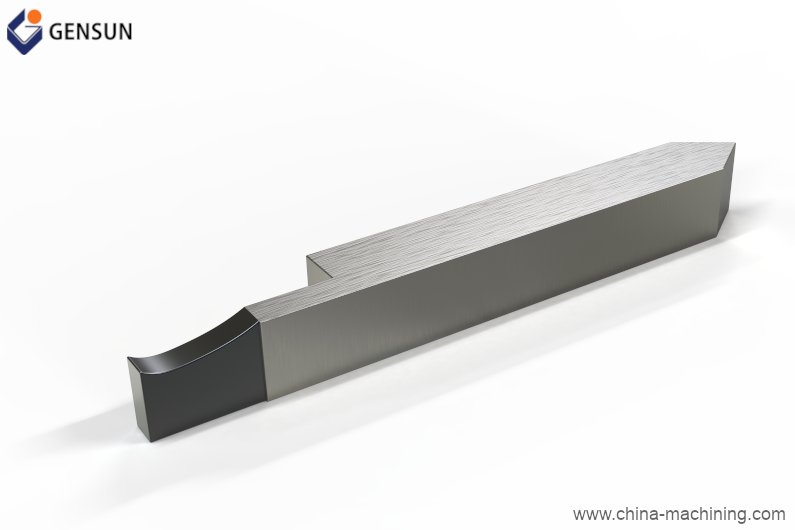
Recent advancements in lathe parting tool design and materials have significantly impacted their performance and durability. Innovations such as coated cutting tools, advanced carbide materials, and smart technology integration are enhancing the efficiency of machining processes.The introduction of coatings like titanium nitride (TiN) or aluminum oxide (Al2O3) improves tool wear resistance and reduces friction, leading to longer tool life. The impact of technology on lathe parting tools is evident in enhanced precision and reduced cycle times.Looking forward, predictions for future developments in parting tool technology include the continued evolution of materials and designs tailored to specific applications, along with the integration of automation and AI to optimize cutting parameters and improve safety.
FAQ Summary: Lathe Parting Tools
What are lathe parting tools used for?
Lathe parting tools are primarily used to cut off a portion of a workpiece without affecting the remaining material, making them ideal for creating distinct pieces in machining processes.
How do I maintain my lathe parting tools?
Regularly sharpen the cutting edge, keep them clean from debris, and store them in a protective case to maintain their performance and longevity.
Can I use lathe parting tools on different materials?
Yes, lathe parting tools can be used on various materials, including metals, plastics, and composites, depending on the tool’s specifications and design.
What is the best way to set up a lathe parting tool?
Upgrade your toolkit with the incredible tool denver collection! Ideal for both professionals and DIY enthusiasts, these tools combine durability with efficiency, making every task easier. Whether you’re tackling a big project or small repairs, Tool Denver has everything you need to get the job done right. Experience innovation and quality with every use!
Ensure proper alignment with the workpiece, adjust the feed rate appropriately, and check that the tool is securely fastened in the tool post before starting the operation.
Are there specific safety measures for using lathe parting tools?
Yes, always wear appropriate personal protective equipment (PPE), keep your hands away from the cutting area, and ensure that the work area is clear of obstructions.