
Heart monitoring wearable technology is transforming the way we approach health and wellness. These innovative devices not only track your heart rate but also offer insights into your overall cardiovascular health, making them indispensable tools for proactive healthcare.
With a variety of options available, from wristbands to smart clothing, heart monitoring wearables are gaining traction among health-conscious individuals. Statistics reveal a significant increase in their adoption, highlighting a growing awareness of the importance of heart health.
Overview of Heart Monitoring Wearables
Heart monitoring wearables have revolutionized the way individuals keep track of their cardiovascular health. These devices, which can be worn comfortably on the wrist or other parts of the body, offer real-time insights into heart rate, rhythm, and overall heart function. The market has seen a surge in the development and adoption of these technologies, driven by increasing health awareness among consumers and advancements in wearable technology.The types of heart monitoring wearables available in the market include smartwatches, fitness trackers, and dedicated heart rate monitors.
Each device caters to different user needs, from casual fitness enthusiasts to serious athletes. According to recent statistics, the global heart monitoring wearable market is projected to grow significantly, with estimates suggesting a compound annual growth rate (CAGR) of over 20% in the next five years.
Transform your cleaning routine with our non toxic tile floor cleaner , designed to effectively eliminate dirt and grime without harmful chemicals. Enjoy a sparkling clean home that’s safe for both your family and pets, while embracing eco-friendly principles. Make the switch today and discover the power of safe, sustainable cleaning solutions!
Technology Behind Heart Monitoring Wearables
The cutting-edge technology behind heart monitoring wearables primarily involves advanced sensors and complex algorithms. These sensors, often optical or electrical, detect heart rate and rhythm by monitoring blood flow or electrical signals from the heart. Algorithms process this data to provide accurate heart metrics, enhancing user understanding of their health status.Artificial intelligence plays a crucial role in enhancing wearable technology.
Step into comfort and style with our latest selection of skechers slip on footwear. Perfect for any occasion, these shoes offer unmatched ease and support, allowing you to glide through your day effortlessly. Upgrade your footwear game and experience the perfect blend of fashion and function with Skechers!
It allows for the analysis of large datasets collected from users, identifying patterns that can predict potential health issues. Heart monitoring devices collect various types of data, including heart rate variability, sleep patterns, and exercise intensity, which are vital for comprehensive health assessments.
Benefits of Using Heart Monitoring Wearables
The health benefits of using heart monitoring devices are numerous. Regular use can lead to better understanding of one’s heart health, enabling users to make informed lifestyle choices. These devices assist in preventive healthcare by alerting users to irregular heart rhythms or unusual heart rates, prompting necessary medical attention.Testimonials from users reveal the positive impact of these devices on their lives.
For instance, one user reported significant improvements in fitness levels and overall health after consistently monitoring heart rate during workouts. Another individual shared how their wearable device alerted them to an irregular heartbeat, leading to timely medical intervention that potentially saved their life.
Challenges and Limitations
Despite their benefits, heart monitoring wearables present several challenges. Users often encounter issues such as inaccurate readings due to improper usage or sensor malfunction. Additionally, current technology has limitations in providing comprehensive heart health insights, as factors like skin tone and ambient conditions can affect sensor performance.When comparing the effectiveness of wearables to traditional heart monitoring methods, it is evident that while wearables offer convenience and accessibility, they may not replace the accuracy and reliability of clinical evaluations like ECGs performed in medical facilities.
Future Trends in Heart Monitoring Wearables
Innovation in heart monitoring technology is continuously evolving. Upcoming advancements include the integration of more sophisticated sensors that can provide additional health metrics such as blood pressure and blood oxygen levels. The potential integration of wearables with telemedicine services enables users to share their health data directly with healthcare providers, facilitating remote monitoring and personalized care.Looking ahead, heart monitoring wearables are predicted to evolve significantly over the next decade.
As technology advances, we can expect features like improved battery life, more accurate sensors, and enhanced user interfaces to become standard in the devices available on the market.
User Experience and Engagement, Heart monitoring wearable
User experience is a critical factor in the success of heart monitoring wearables. Features that enhance usability include customizable alerts, easy-to-read displays, and seamless connectivity with smartphones. A user-friendly interface is essential as it encourages consistent use and engagement with the device.Brands utilize various strategies to boost user engagement, such as gamification, which turns health tracking into a fun and rewarding experience.
For instance, fitness challenges and rewards for achieving health goals can motivate users to maintain their heart health actively.
Data Privacy and Security
Data security is paramount in heart monitoring wearables, given the sensitive nature of health information. Regulations such as the Health Insurance Portability and Accountability Act (HIPAA) set guidelines to safeguard personal health data, ensuring that users’ information remains confidential.Best practices for users to protect their health information include using strong, unique passwords, regularly updating device firmware, and being cautious about sharing health data with third-party applications.
Keep your feline friend happy and your home clean with our premium clumping cat litter. This innovative product offers superior absorption and odor control, making it easy to maintain a fresh environment for your cat. Choose the best for your furry companion and enjoy hassle-free litter management!
Market Analysis
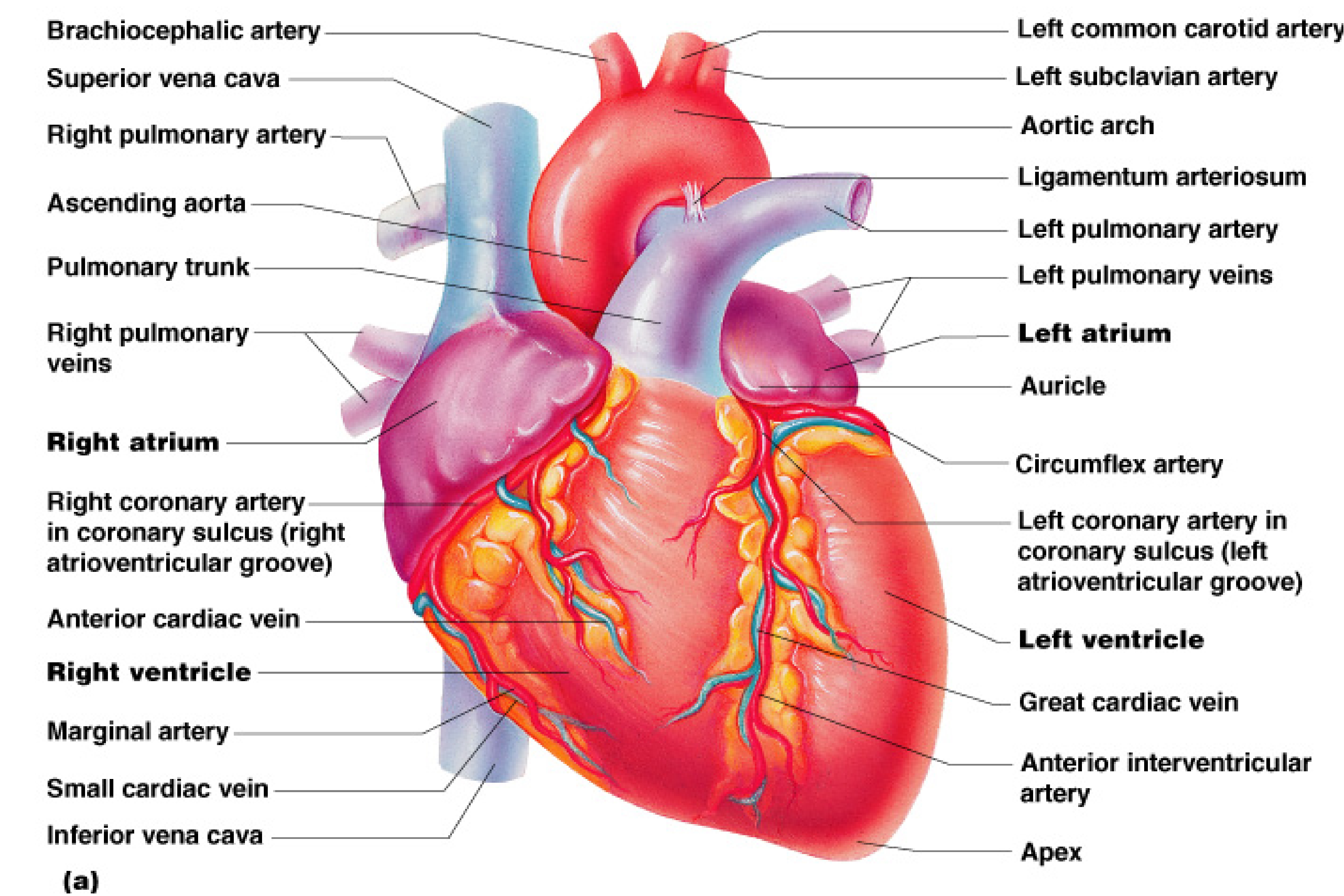
A comparative analysis of leading brands in the heart monitoring wearable market reveals diverse offerings tailored to various consumer preferences. Brands like Fitbit, Apple, and Garmin lead the market due to their innovative features and reliable performance.Pricing strategies vary, with options ranging from budget-friendly fitness trackers to premium smartwatches. The market share of heart monitoring wearables continues to grow, with forecasts indicating substantial potential for expansion as consumers become more health-conscious and technologically savvy.
Helpful Answers: Heart Monitoring Wearable
What are heart monitoring wearables?
Heart monitoring wearables are devices that track various heart-related metrics such as heart rate, rhythm, and overall cardiovascular health.
How do heart monitoring wearables work?
They use sensors to collect data on your heart’s activity, which is then analyzed by algorithms to provide real-time feedback.
Can heart monitoring wearables replace traditional medical devices?
While they offer valuable insights, they are not a substitute for professional medical equipment but serve as a supplemental tool for health monitoring.
Are heart monitoring wearables safe to use?
Yes, they are generally safe, but users should ensure they are using FDA-approved products and follow the manufacturer’s guidelines.
How do I ensure my data is secure with these devices?
Use devices that comply with health data regulations and employ strong passwords and encryption for your linked accounts.